Preconception Screening in Gangnam Seoul, Korea
Preconception screening is a comprehensive medical evaluation performed before pregnancy to assess reproductive health, fertility potential, genetic risks, hormone balance, infectious diseases, and overall maternal wellness. The goal is to identify and address health conditions that could affect conception, pregnancy, or the health of a future baby.
At Gangnam Heer Gynecology Clinic in Seoul, preconception screening helps women and couples prepare for a healthy pregnancy through fertility assessments, hormone testing, ovarian reserve evaluation, STI screening, HPV testing, ultrasound examinations, and personalized pregnancy planning consultations.
What Is Preconception Screening?
Preconception screening refers to preventive health evaluations performed before attempting pregnancy.
The purpose is to:
- Optimize maternal health
- Improve fertility outcomes
- Detect reproductive health issues
- Identify infections before pregnancy
- Assess genetic risk factors
- Evaluate hormone balance
- Support healthy pregnancy planning
Preconception care is recommended for women of all ages who are planning to conceive within the next year.
Why Is Preconception Screening Important?
Many medical conditions may affect fertility or pregnancy without causing obvious symptoms.
Early screening may identify:
- Polycystic Ovary Syndrome (PCOS)
- Thyroid disorders
- Hormonal imbalances
- Ovarian reserve concerns
- Sexually transmitted infections
- Cervical abnormalities
- Uterine abnormalities
- Genetic carrier conditions
Addressing these concerns before conception may improve pregnancy outcomes.
What Is Included in Preconception Screening?
Medical Consultation
Your physician will review:
- Medical history
- Menstrual history
- Pregnancy history
- Previous miscarriages
- Current medications
- Family history
- Lifestyle factors
Fertility Evaluation
A fertility assessment may include:
- Ovulation evaluation
- Menstrual cycle review
- Reproductive health assessment
- Pregnancy planning counseling
Hormone Testing
Blood tests may evaluate:
- AMH (Anti-Müllerian Hormone)
- FSH
- LH
- Estradiol
- Progesterone
- Prolactin
- Thyroid hormones
Hormone testing helps assess ovarian function and reproductive health.
Ovarian Reserve Testing
Women planning pregnancy may benefit from ovarian reserve evaluation.
This may include:
- AMH testing
- Ultrasound ovarian follicle count
- Fertility risk assessment
Pelvic Ultrasound
Ultrasound examination can evaluate:
- Uterus
- Ovaries
- Endometrial lining
- Fibroids
- Ovarian cysts
- Structural abnormalities
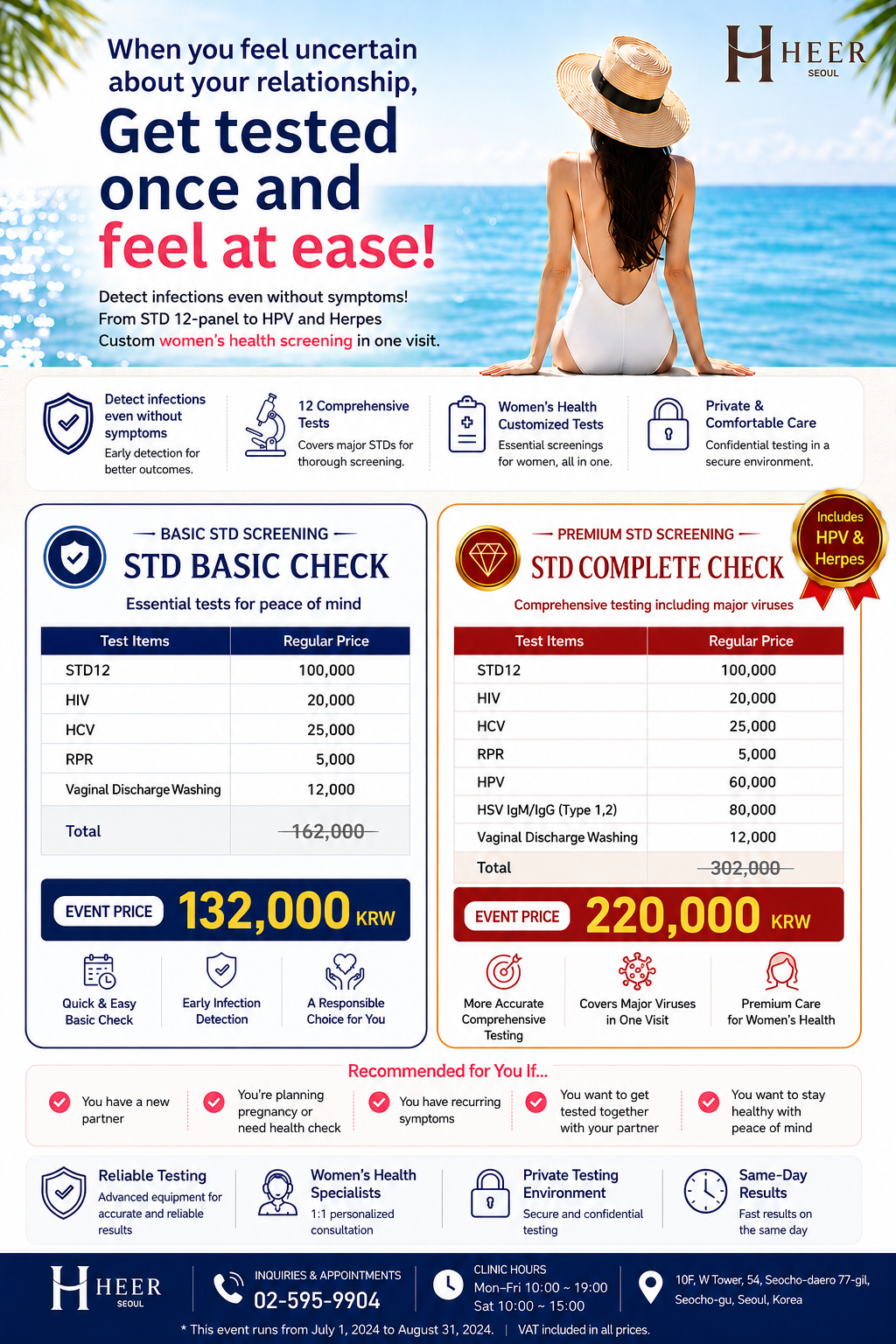
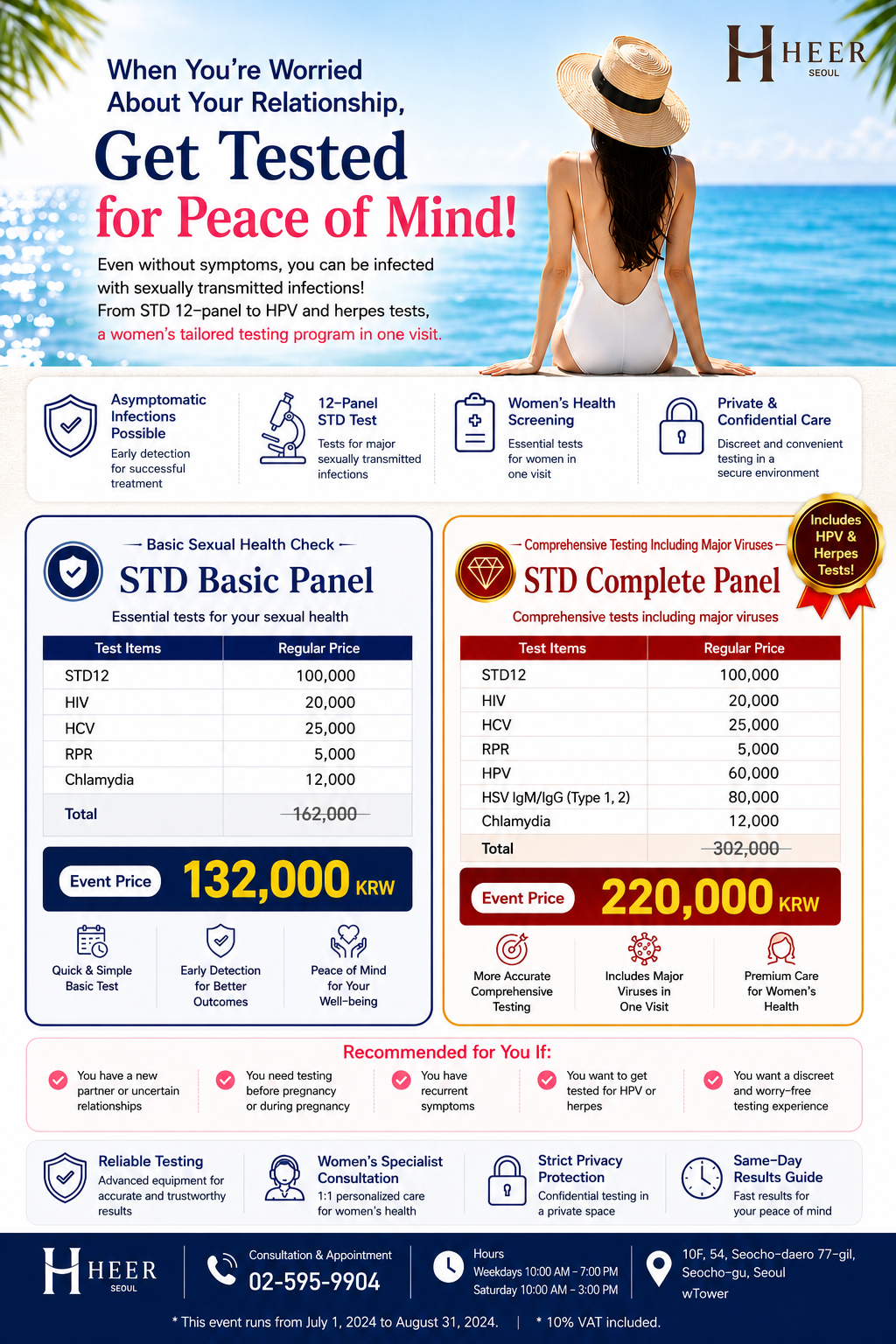
STI Screening
Pre-pregnancy infection screening may include:
- Chlamydia
- Gonorrhea
- Syphilis
- HIV
- Hepatitis B
- Hepatitis C
Treating infections before conception can reduce pregnancy-related complications.
Pap Smear and HPV Testing
Women who are due for cervical screening may undergo:
- Pap smear
- HPV testing
- Cervical health evaluation
Genetic Carrier Screening
Depending on personal and family history, genetic screening may be recommended to assess inherited conditions.
Who Should Consider Preconception Screening?
Preconception screening is recommended for:
- Women planning pregnancy
- Couples trying to conceive
- Women over age 35
- Women with irregular periods
- Women with PCOS
- Women with previous miscarriages
- Women with fertility concerns
- Couples with genetic disease history
Pregnancy Planning for Women Over 35
Women planning pregnancy after age 35 often benefit from additional evaluation because fertility naturally declines with age.
Additional testing may include:
- Ovarian reserve assessment
- Fertility counseling
- Genetic counseling
- Comprehensive reproductive evaluation
Benefits of Preconception Screening
Benefits may include:
- Improved pregnancy planning
- Early diagnosis of fertility issues
- Reduced pregnancy complications
- Better maternal health
- Earlier treatment of infections
- Personalized reproductive counseling
Preconception Screening for International Patients in Korea
Many international patients living in Korea choose Seoul for pregnancy planning because of:
- Advanced women's healthcare
- English-speaking gynecology clinics
- Comprehensive fertility testing
- Modern ultrasound technology
- Fast laboratory testing
- Personalized reproductive care
Gangnam is one of Korea's most popular destinations for fertility and reproductive health evaluations.
Frequently Asked Questions
What is preconception screening in Korea?
Preconception screening is a health evaluation performed before pregnancy that assesses fertility, reproductive health, hormone balance, infections, and overall readiness for conception.
How much does preconception screening cost in Korea?
Costs vary depending on the clinic and the number of tests included. Basic screenings are generally less expensive than comprehensive fertility and genetic testing packages.
Can foreigners receive preconception screening in Seoul?
Yes. Many gynecology clinics in Gangnam provide fertility and pregnancy planning evaluations for international patients.
What fertility tests are commonly included?
Common tests include hormone evaluation, AMH testing, ovarian reserve assessment, pelvic ultrasound, ovulation assessment, and reproductive health consultations.
Should my partner also be tested?
Yes. Fertility and preconception planning are often most effective when both partners undergo evaluation.
Is AMH testing available in Korea?
Yes. AMH testing is widely available and is commonly used to assess ovarian reserve and fertility potential.
Can preconception screening detect fertility problems?
Screening may identify conditions such as PCOS, ovarian reserve issues, thyroid disorders, uterine abnormalities, and hormonal imbalances that can affect fertility.
How long before pregnancy should I have preconception screening?
Many specialists recommend screening at least three to six months before attempting conception.
Do I need HPV testing before pregnancy?
HPV testing and cervical screening may be recommended depending on age, screening history, and physician recommendations.
Is preconception screening recommended after age 35?
Yes. Women over 35 often benefit from comprehensive fertility evaluation and reproductive counseling before attempting pregnancy.
GANGNAM HEER GYNECOLOGY CLINIC: Affordable Prices, Best Care
Gangnam Heer Gynecology Clinic provides comprehensive preconception screening and pregnancy planning services for women and couples preparing for pregnancy in Korea. Services include fertility assessments, AMH testing, ovarian reserve evaluation, hormone testing, STI screening, HPV testing, Pap smears, pelvic ultrasound examinations, and personalized reproductive health consultations. Conveniently located in Gangnam, Seoul, the clinic offers affordable pricing, modern diagnostic technology, English-speaking support, confidential care, and evidence-based fertility planning designed to help patients achieve healthier pregnancies and better reproductive outcomes.